

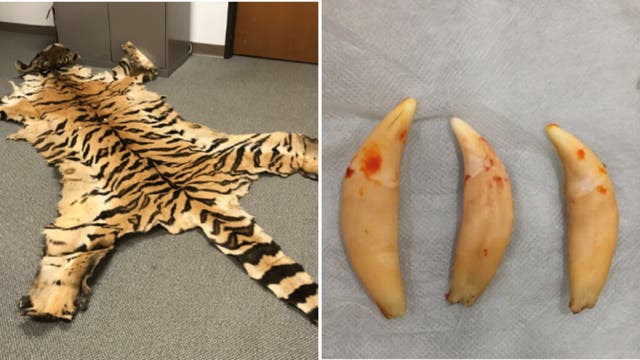

California couple sentenced for smuggling rhino horn, tiger pelt between Oregon and Vietnam
Linh Luu and Kevin Le of Anaheim pleaded guilty to federal Lacey Act violations for trafficking rhino horns, tiger pelts, and bear parts between Oregon and Vietnam.
Linh Luu and Kevin Le of Anaheim pleaded guilty to federal Lacey Act violations for trafficking rhino horns, tiger pelts, and bear parts between Oregon and Vietnam.
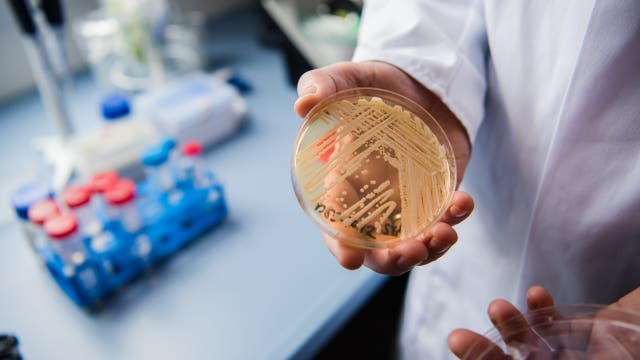

New study reveals why dangerous fungus is so difficult to treat
Scientists discovered how the deadly fungus Candida auris can survive antifungal treatment – a finding that could lead to new therapies.
Scientists discovered how the deadly fungus Candida auris can survive antifungal treatment – a finding that could lead to new therapies.
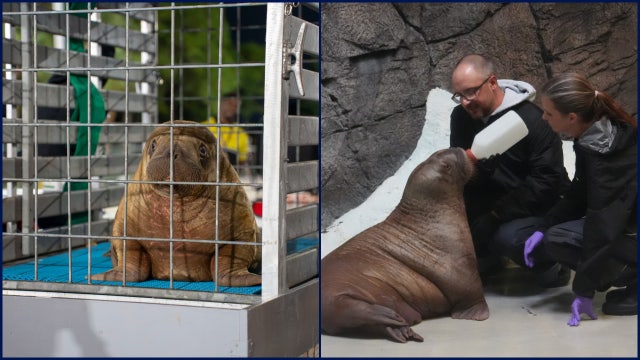

Orphaned baby walrus in Alaska flown 4,800 miles to new home in Florida
A young, orphaned Pacific walrus found on a remote beach in northern Alaska has been rescued and brought more than 4,000 miles to Florida, where it's receiving care at SeaWorld Orlando.
A young, orphaned Pacific walrus found on a remote beach in northern Alaska has been rescued and brought more than 4,000 miles to Florida, where it's receiving care at SeaWorld Orlando.
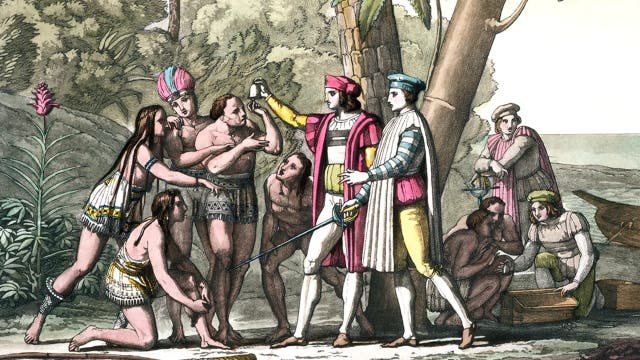

Ancient DNA challenges theories about when humans first reached North America
Researchers examining ancient DNA have narrowed down the timeline of early human migration into North America — shedding light on a question that's puzzled scientists for decades.
Researchers examining ancient DNA have narrowed down the timeline of early human migration into North America — shedding light on a question that's puzzled scientists for decades.


Look up tonight: The Orionids meteor shower peaks as debris from Halley's comet lights up the night sky
The Orionid meteor shower will peak Oct. 21–22, offering sky watchers a chance to see meteors from Halley’s Comet before dawn.
The Orionid meteor shower will peak Oct. 21–22, offering sky watchers a chance to see meteors from Halley’s Comet before dawn.
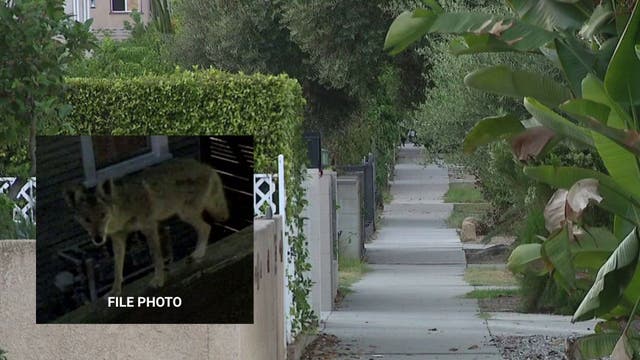

Atwater Village toddler attacked by coyote; DNA testing underway
A Los Angeles toddler was attacked by a coyote in Atwater Village and later released from the hospital.
A Los Angeles toddler was attacked by a coyote in Atwater Village and later released from the hospital.


Astronomers discover 1st green star in space as white dwarfs break color rules
Astronomers found that white dwarf stars can display surprising colors because of their dense, chemically diverse atmospheres, including the first known genuinely green star.
Astronomers found that white dwarf stars can display surprising colors because of their dense, chemically diverse atmospheres, including the first known genuinely green star.
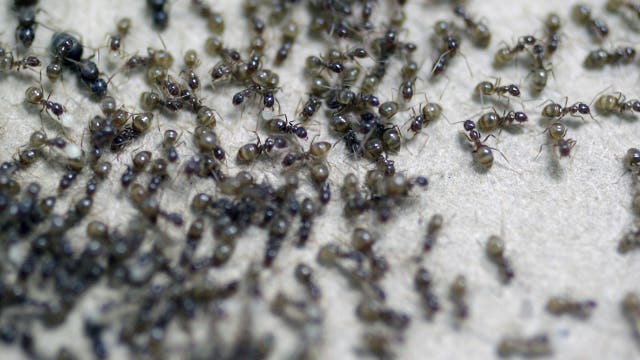

Invasive hairy ants are on the move: What to watch for
Invasive, hairy ants are spreading across the Southeast U.S., creating “super colonies” with millions of critters and costing millions of dollars in damages along the way.
Invasive, hairy ants are spreading across the Southeast U.S., creating “super colonies” with millions of critters and costing millions of dollars in damages along the way.


Man fishing when attacked, killed by alligator at Florida park, officials say
Officials said a body was pulled from the water after a suspected alligator attack in Florida. Here's what to know.
Officials said a body was pulled from the water after a suspected alligator attack in Florida. Here's what to know.
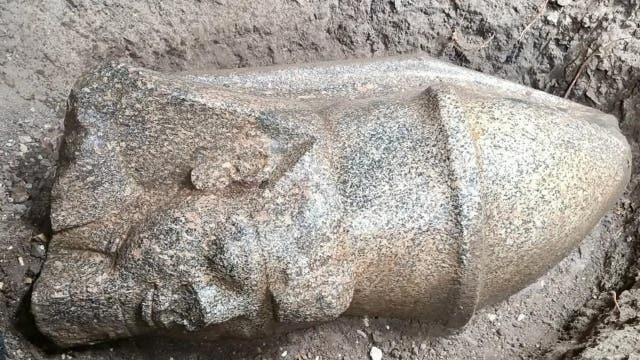

Man discovers mysterious stone outside home, leading to massive 3,300-year-old Egyptian treasure
Scientists made a remarkable discovery of two massive statues of King Ramses II in astonishing condition in an Egyptian village on Tuesday.
Scientists made a remarkable discovery of two massive statues of King Ramses II in astonishing condition in an Egyptian village on Tuesday.
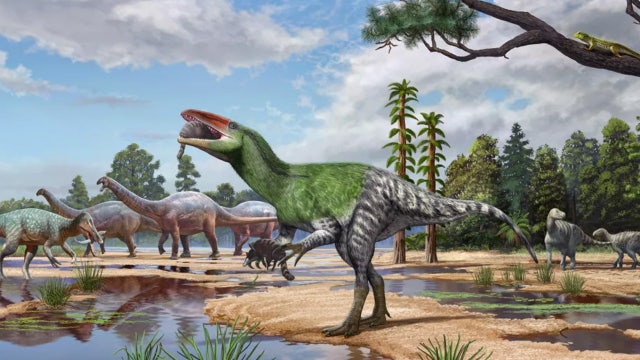

New long-clawed dinosaur species identified from century-old fossil in museum drawer
A long-overlooked Isle of Wight fossil has revealed Europe’s first known megaraptoran dinosaur, a feathered predator with huge claws.
A long-overlooked Isle of Wight fossil has revealed Europe’s first known megaraptoran dinosaur, a feathered predator with huge claws.
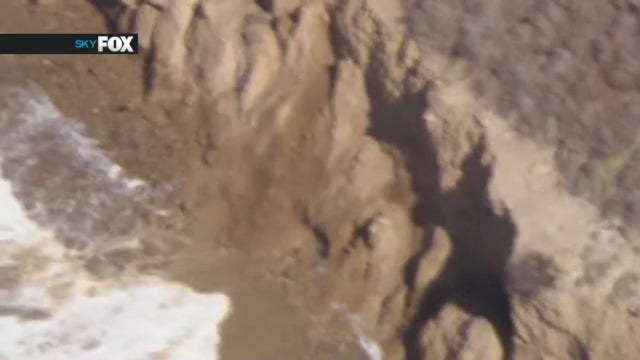

PCH lane closed near Laguna Beach as coastal erosion worsens
A lane of Pacific Coast Highway near Crystal Cove was closed after a large crack developed along the cliffside.
A lane of Pacific Coast Highway near Crystal Cove was closed after a large crack developed along the cliffside.
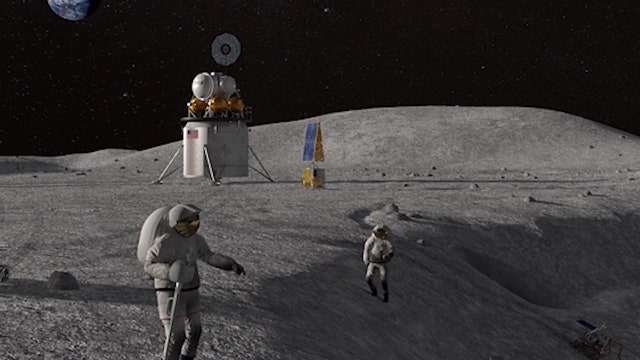

Inside NASA's plan to explore underground lunar caves that one day could shelter astronauts
NASA is preparing to explore deep craters on the moon, known as the Marius Hills pit, to determine if ancient underground caves could provide shelter for future astronauts.
NASA is preparing to explore deep craters on the moon, known as the Marius Hills pit, to determine if ancient underground caves could provide shelter for future astronauts.


Massive 2,000-year-old discovery from time of Jesus emerges remarkably intact
A remarkably intact discovery dating to around the time of Jesus has been unearthed in Israel.
A remarkably intact discovery dating to around the time of Jesus has been unearthed in Israel.
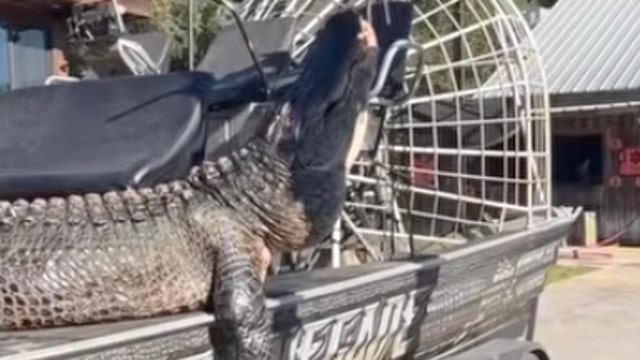

844-pound alligator named 'Snaggletooth' killed after years-long hunt
A hunter captured a massive alligator in South Carolina ending a persistent four-year pursuit of the reptile.
A hunter captured a massive alligator in South Carolina ending a persistent four-year pursuit of the reptile.
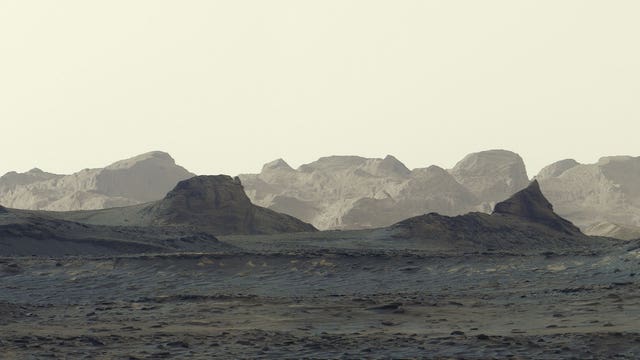

NASA’s Curiosity shares dramatic glimpse of Martian dawn
The Curiosity rover snapped what NASA scientists are calling the most detailed view yet of the distant, wind-carved Martian cliffs at dawn, and leaving them asking more questions about what they see.
The Curiosity rover snapped what NASA scientists are calling the most detailed view yet of the distant, wind-carved Martian cliffs at dawn, and leaving them asking more questions about what they see.


Study finds higher levels of everyday chemicals in baby teeth of kids with autism
A pilot study from The University of Texas at San Antonio Health Science Center found higher levels of several potentially harmful chemicals in the primary teeth of children with autism compared with children without autism.
A pilot study from The University of Texas at San Antonio Health Science Center found higher levels of several potentially harmful chemicals in the primary teeth of children with autism compared with children without autism.
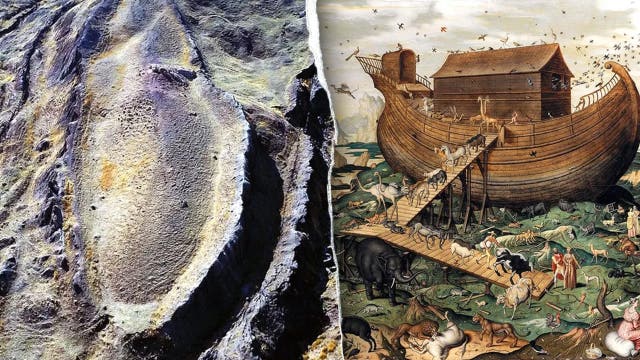

Noah's Ark researchers ‘inching towards’ confirmation after drilling challenges natural-rock theory
A team investigating a boat-shaped formation in eastern Turkey says new evidence is strengthening its case that the site could hold the remains of Noah's Ark.
A team investigating a boat-shaped formation in eastern Turkey says new evidence is strengthening its case that the site could hold the remains of Noah's Ark.


What we know - and don't know - about rare pneumonic plague death of employee at Russian research institute
A possible case of pneumonic plague in Russia presents a "very low" risk outside the country, according to the World Health Organization (WHO), as investigators look into what caused the death from pneumonia of a lab employee there last week.
A possible case of pneumonic plague in Russia presents a "very low" risk outside the country, according to the World Health Organization (WHO), as investigators look into what caused the death from pneumonia of a lab employee there last week.
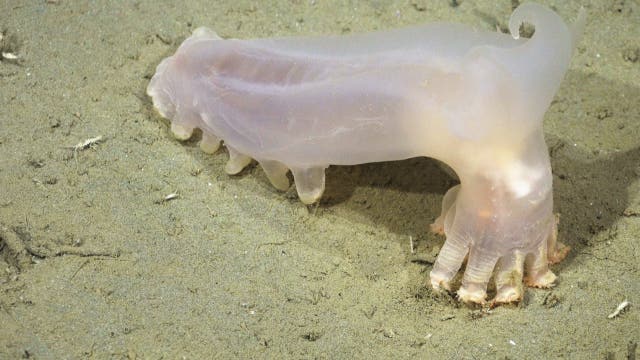

Scientists discover 57 new marine species lurking in the depths of the South Atlantic
A group of scientists in Argentina discovered dozens of new species in the South Atlantic Ocean, shedding new light on one of the world’s most biologically dynamic regions.
A group of scientists in Argentina discovered dozens of new species in the South Atlantic Ocean, shedding new light on one of the world’s most biologically dynamic regions.